
A vacuum cleaner is an important part of keeping homes, offices, shops, and other spaces clean. Like any frequently used appliance, a vacuum cleaner can eventually experience wear and tear. Components such as filters, hoses, brushes, belts, wheels, bags, motors, and attachments may need to be replaced over time. Choosing the right vacuum cleaner spare parts is essential for maintaining cleaning performance, preventing further damage, and extending the life of your machine. However, with so many replacement parts available, finding the correct component for a specific vacuum model can sometimes be confusing. Understanding what to check before purchasing can make the process much easier.
Identify Your Vacuum Cleaner Model
The first step when purchasing vacuum cleaner spare parts is to identify the exact model of your machine. Vacuum cleaners from the same brand can have several models with similar designs but different internal components or attachments. A spare part that fits one model may not necessarily work with another. Vac-City offers a wide range of vacuum spare parts for different models to help keep your vacuum cleaner performing efficiently.
Look for the model number, serial number, or product code on the vacuum cleaner. This information is commonly located on a label underneath the machine, near the dust container, on the back, or close to the power cord. Check the manufacturer’s documentation or user manual if you still have it. Providing the exact model number to a supplier can help ensure that you receive a compatible replacement.
Determine Which Part Needs Replacement
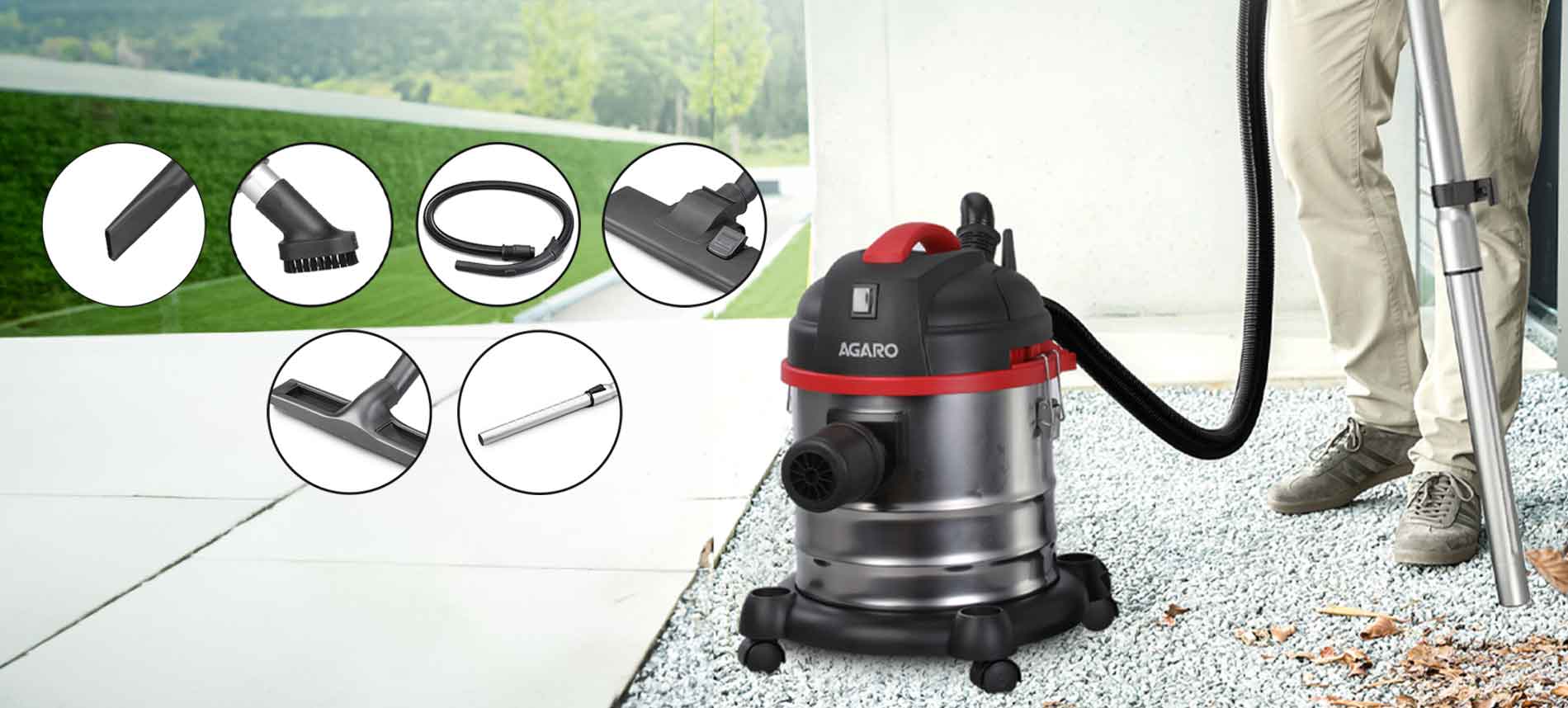
Before buying a replacement, identify the specific component causing the problem. Some parts are designed to be replaced as part of routine maintenance, while others may need replacement because of damage or mechanical failure. Common vacuum cleaner spare parts include filters, vacuum bags, belts, hoses, floor brushes, brush rolls, wheels, dust containers, extension tubes, and various cleaning attachments.
Inspect the vacuum cleaner carefully and determine whether the part is worn, cracked, blocked, stretched, or otherwise damaged. For example, a worn belt may cause the brush roll to stop rotating properly, while a clogged or damaged filter can reduce airflow and suction. Identifying the actual problem helps you avoid purchasing unnecessary components.
Check the Part Number
A part number is one of the most useful details when searching for a replacement component. Manufacturers often assign a unique identification number to individual spare parts. This number can help suppliers and retailers match the replacement with the correct vacuum cleaner model.
If the existing component has a printed or engraved part number, record it before ordering. You can also check the user manual, manufacturer’s parts catalogue, or official product documentation. Searching by both the vacuum model and part number can provide greater confidence that the replacement will fit correctly.
Compare Original and Compatible Spare Parts
When choosing vacuum cleaner spare parts, you may come across both original manufacturer parts and compatible alternatives. Original equipment manufacturer parts are produced for specific machines and are generally designed according to the manufacturer’s specifications. Compatible parts are made by other manufacturers and may be designed to fit one or more vacuum cleaner models.
Consider the importance of the component before deciding between these options. For simple accessories, a suitable compatible part may be practical. For important components such as motors, electrical parts, or specialized filters, checking specifications and compatibility carefully is particularly important. The quality of the replacement part can affect the performance and reliability of the vacuum cleaner.
Check Dimensions and Specifications
Even when a replacement part looks similar to the original, its dimensions may be different. Before purchasing, compare measurements such as length, width, diameter, thickness, connection size, and mounting points where applicable.
For filters, check the filtration type and dimensions. For belts, compare the length and width. For hoses and attachments, make sure the connection mechanism and diameter match the vacuum cleaner. Paying attention to these details can prevent the frustration of receiving a part that cannot be installed.
Consider the Vacuum Cleaner’s Usage
The type and frequency of vacuum cleaner use can also influence your choice of spare parts. A machine used occasionally in a home may have different replacement requirements from a vacuum cleaner used daily in a commercial environment.
Commercial vacuum cleaners often operate for longer periods and may experience greater wear on components such as filters, belts, brush rolls, and hoses. If the machine is used frequently, choosing durable replacement parts designed for regular use can help maintain consistent cleaning performance.
Purchase From a Reliable Supplier
Where you buy your vacuum cleaner spare parts matters. A reliable supplier should provide clear information about compatibility, specifications, product quality, and installation requirements. Suppliers with experience in vacuum cleaner components can also help identify the correct part when you provide the machine’s model number.
Avoid purchasing a replacement solely because it looks similar to the original component. A reputable supplier should be able to confirm whether the part is suitable for your particular model. This can reduce the risk of compatibility problems and unnecessary returns.
Check Installation Requirements
Some spare parts are relatively simple to replace, while others require technical knowledge or specialist tools. Filters, bags, brushes, and certain attachments can often be changed easily by following the manufacturer’s instructions. Electrical components, motors, or internal mechanical parts may require professional installation.
Before ordering, check whether the replacement comes with installation instructions and whether any additional components are required. If you are unsure about fitting a particular part, professional assistance can help prevent accidental damage to the vacuum cleaner.
Maintain Your Vacuum Cleaner After Replacement
Replacing a damaged component is only one part of keeping your vacuum cleaner in good condition. Regular maintenance can help reduce wear and extend the lifespan of both the machine and its spare parts. Empty dust containers regularly, replace or clean filters according to the manufacturer’s instructions, check hoses for blockages, and inspect brushes and belts periodically.
Using the vacuum cleaner correctly can also make a difference. Avoid picking up materials that the machine is not designed to handle, and follow the manufacturer’s recommendations for different floor surfaces and cleaning applications.
Conclusion
Choosing the right vacuum cleaner spare parts starts with knowing your exact model and identifying the component that needs replacement. Checking the model number, part number, dimensions, specifications, and compatibility can help you find a suitable replacement. It is also important to consider whether you need an original or compatible part, how frequently the vacuum cleaner is used, and whether professional installation is required. By selecting suitable spare parts from a reliable supplier and maintaining your machine regularly, you can help preserve cleaning performance and extend the useful life of your vacuum cleaner.